

SEO Solutions That Boost Visibility and Revenue
Search Engine Optimization (SEO) is the most powerful lever in digital marketing today. In a world where over 90% of all online experiences start with a search engine, the brands that master SEO don’t just get found—they dominate their markets. If you’re reading this, you already know: showing up on page one is the difference between thriving and merely surviving online.
But here’s the reality check: SEO in 2026 is a fast-moving target. Google’s Search Generative Experience (SGE), the rise of voice and visual search, and the blending of AI with traditional ranking factors mean that yesterday’s tactics just don’t cut it anymore. If you want to consistently attract high-intent visitors, convert skeptics, and outperform even the biggest competitors, you need a strategy that’s as modern and multidimensional as the search landscape itself.
At Advertising Avenue, we’ve spent 25+ years helping brands win in search. This guide is your roadmap to sustainable SEO success. We’ll break down every critical spoke of modern SEO, show you what works now, and link you to in-depth resources for each area.
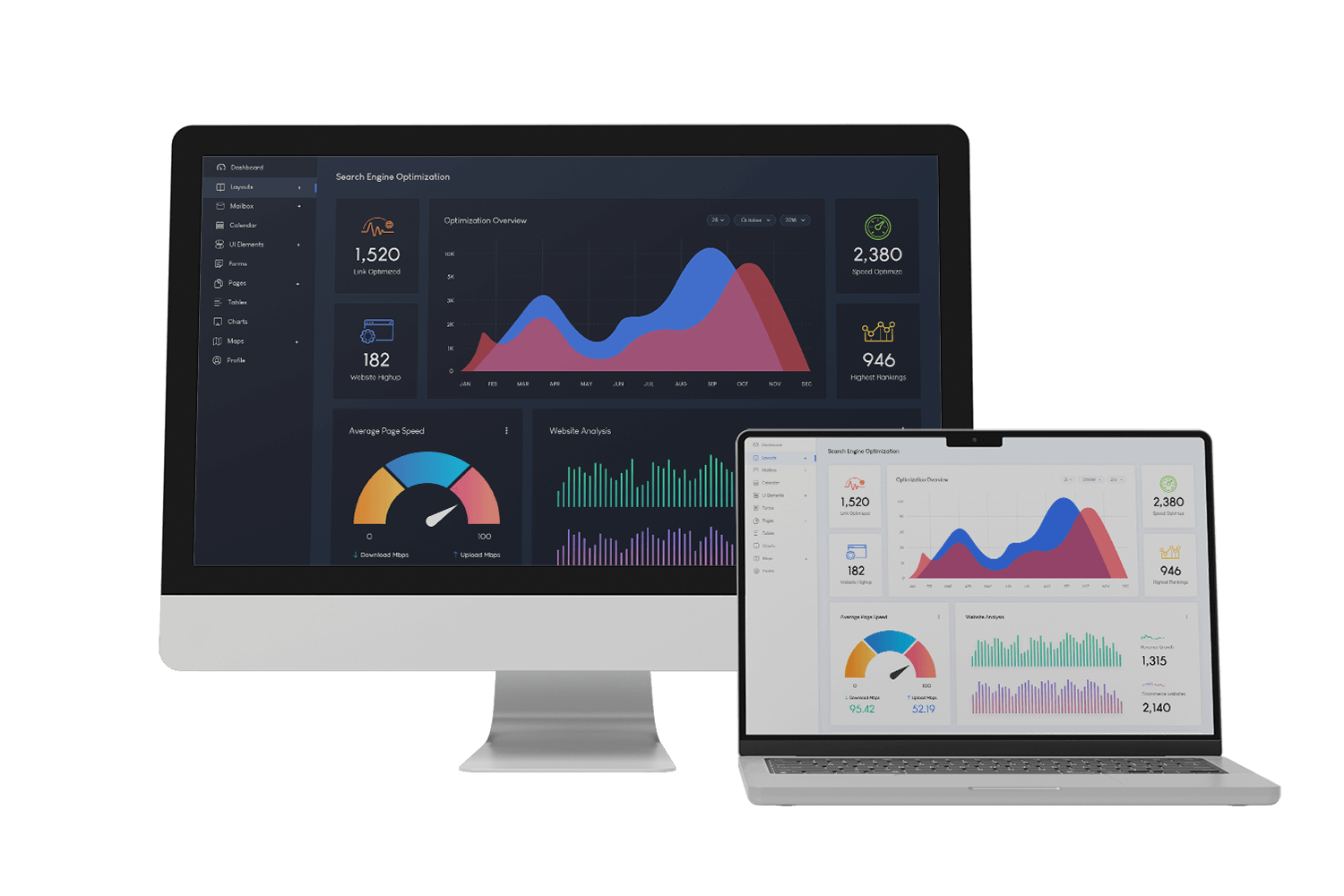
25+ Years of Comprehensive SEO Experience
State of Search in 2026
In 2025, over 70% of all searches happen on mobile devices, and AI-driven engines like Google SGE and Bing Copilot are rewriting the rules of digital discovery. Privacy changes, zero-click searches, and visual commerce are pushing brands to adapt faster than ever. The most successful businesses are those that embrace change and position themselves at the forefront of these trends.
Who Benefits Most from SEO?
SEO isn’t just for big brands or tech companies. Local businesses, e-commerce stores, law firms, healthcare providers, and B2B companies all rely on organic search to connect with motivated customers. Whether you want to show up in the “map pack,” outrank competitors for high-value keywords, or drive targeted traffic to your online store, SEO is the most sustainable way to grow.

25+ Years of Professional SEO Experience
Common SEO Myths & Truths
Myth: SEO is a one-time project.
Truth: SEO is an ongoing discipline. Search engines update their algorithms hundreds of times a year, and competitors are always evolving. Consistent effort is key.
Myth: You need hundreds of backlinks to rank.
Truth: Quality trumps quantity. A few high-authority, relevant links can have more impact than dozens of low-quality ones.
Myth: Paid ads make SEO obsolete.
Truth: Organic search drives the majority of high-intent traffic and delivers compounding returns long after ads stop running.
Glossary of SEO Terms
GEO
Generative Engine Optimization
Core Web Vitals
Google’s metrics for site speed, responsiveness, and visual stability
Schema Markup
Code that helps search engines interpret content
Zero-Click Search
A search that ends without a user clicking a result
Position Zero
The featured snippet at the top of Google results
Canonical Tag
A tag that prevents duplicate content issues
Why SEO Still Matters (and Why It’s Changing Fast)
- Organic search drives 53% of all website traffic—more than paid ads, social, or email combined.
- 75% of users never scroll past the first page of results.
- “Zero-click” searches and AI-generated answers are reshaping how people find information.
- Voice and visual searches are up over 200% year-over-year, especially on mobile.
- Local results and map packs now deliver over 40% of all search-driven leads for service businesses.
The bottom line: SEO is more complex, but also more rewarding, than ever before. Mastering it means long-term, compounding returns—without paying for every click.
The Modern SEO Framework: 10 Essential Spokes
SEO isn’t just one thing—it’s a hub of interconnected strategies. Here’s how each spoke can drive results for your business, with actionable previews and clear next steps.
Generative Engine Optimization (GEO)
AI Is Rewriting the SEO Playbook. Are You Ready?
The rise of Generative Engine Optimization (GEO) is the most significant SEO trend of the decade. Google’s SGE, OpenAI’s ChatGPT, and other AI-driven search tools are fundamentally changing how users discover, consume, and act on information. Instead of ten blue links, searchers now get AI-generated answers, summaries, and recommendations—often without clicking through to a website.
What does this mean for your business?
- Your content must be optimized for both traditional search and AI-driven engines.
- Structured data, clear topical authority, and “answer-first” content are critical.
- Prompt engineering and understanding how AI selects and summarizes content will set you apart.
- Case studies already show brands that adapt to GEO see 20–30% more featured placements and higher conversion rates.
But here’s the catch: GEO isn’t just about adding more keywords. It’s about rethinking how you create, structure, and distribute content for a world where AI is the gatekeeper. Learn how to future-proof your SEO with GEO →
Voice Search & Featured Snippet Optimization
Speak the Language of Your Customers—Literally.
Voice search isn’t a fad—it’s the new normal for millions of users. With smart speakers in over 60% of US households and mobile voice queries skyrocketing, optimizing for voice is no longer optional. But here’s what most brands miss: voice search is all about conversational, question-based content and earning the coveted “position zero” (featured snippets).
Here’s what you need to know next:
- Voice assistants pull answers from featured snippets and structured FAQs.
- “Zero-click” searches are rising: 65% of Google searches now end without a click.
- Schema markup, concise answers, and natural language are key to winning these spots.
Want to see your brand as the go-to answer for voice queries and smart devices? Discover how to claim position zero and optimize for voice →
Visual Search Optimization
When Words Aren’t Enough, Images Drive Results.
Visual search—think Google Lens and Pinterest—is exploding in popularity. Over 36% of US consumers have used visual search, and platforms are investing heavily in image recognition and shopping features. For e-commerce, fashion, home services, and any brand with strong visuals, this is a game-changer.
Let’s break it down:
- Optimizing images with descriptive file names, alt text, and schema boosts discoverability.
- Visual commerce is driving a new wave of product discovery and impulse purchases.
- Google’s algorithms can now “see” and interpret images—so your visual assets must be SEO-ready.
If your competitors aren’t optimizing for visual search, you have a golden opportunity. See how to make your brand visible in a visual-first world →
Local SEO
Win Where It Matters Most: Your Own Backyard.
For service businesses and brick-and-mortar brands, local SEO is the shortest path to new customers. Google Business Profile (GBP) optimization, local citations, and reputation management are now the foundation of local visibility.
Here’s what local leaders do differently:
- Ensure NAP (Name, Address, Phone) consistency across all directories.
- Collect and respond to reviews (which influence both rankings and conversions).
- Optimize GBP with photos, Q&As, and regular updates.
- Build local backlinks and citations to improve authority.
Did you know? Businesses with complete GBPs get 7x more clicks and calls than those with incomplete profiles. Unlock the secrets to dominating local search →
Technical SEO
Great Content Won’t Rank if Your Site Can’t Be Crawled.
Technical SEO is the foundation of every successful website. It’s about site speed, mobile-friendliness, crawlability, and indexation—plus advanced elements like schema markup and Core Web Vitals.
Let’s get technical (but keep it practical):
- Sites that load in under 2 seconds see 15% higher conversion rates.
- Google’s mobile-first indexing means your mobile site is now your main site.
- Structured data helps search engines understand your content and display rich results.
- Regular technical audits catch issues before they tank your rankings.
If your site is slow, broken, or hard to crawl, even the best content won’t save you. Get the technical edge that powers top rankings →
On-Page SEO
Content Is King—But Only If It’s Optimized.
On-page SEO is where strategy meets execution. It’s about crafting content that answers user intent, strategically placing keywords, and building internal links that guide both users and search engines.
Here’s how high-performing pages are built:
- Use clear, descriptive headings (H1, H2, H3) with target keywords and variations.
- Place primary keywords early and naturally in the copy.
- Optimize images and videos for both SEO and UX.
- Add internal links to related content (like these SEO spokes) to boost authority.
- Write for humans first, but structure for search engines.
Ready to turn every page into a traffic magnet? Get step-by-step on-page SEO tactics and templates →
Off-Page SEO & Link Building
Authority Isn’t Given—It’s Earned.
Off-page SEO is all about building your site’s reputation and authority. Google uses backlinks, brand mentions, and digital PR signals to determine which sites deserve to rank.
What works now:
- Earning links from reputable, relevant sources (not spammy directories).
- Leveraging digital PR to get featured in news, blogs, and industry sites.
- Building social signals and encouraging brand mentions across the web.
- Monitoring your link profile to avoid penalties and disavow toxic links.
Case in point: Brands that invest in quality link building see up to 50% faster ranking improvements. Discover proven link building and off-page SEO strategies →
E-Commerce SEO
Turn Searches Into Sales—At Scale.
E-commerce SEO is a unique beast. With thousands of products, constant inventory changes, and fierce competition, you need a tailored approach.
Here’s what separates winners from the rest:
- Optimizing product and category pages with unique descriptions, reviews, and schema.
- Managing inventory and out-of-stock pages to preserve SEO value.
- Using rich snippets (price, availability, ratings) to boost click-through rates.
- Structuring site navigation for both users and search engines.
Did you know? 70% of shoppers research online before buying, and optimized product pages can double your organic sales. See how to scale your e-commerce SEO for growth →
SEO Analytics & Reporting
What Gets Measured Gets Improved.
SEO without analytics is like flying blind. To maximize ROI, you need to track rankings, traffic, conversions, and user behavior—then turn those insights into action.
Here’s what you need to know next:
- Setting up dashboards (Google Analytics, Search Console, third-party tools) for real-time insights.
- Measuring the true ROI of SEO, not just rankings.
- Interpreting data to uncover new opportunities and fix what’s not working.
- Automating reports to keep your team and stakeholders informed.
Brands that use data-driven SEO improve results 30% faster and waste less on tactics that don’t work. Master SEO analytics and reporting for real growth →
Content Marketing & SEO
Content Is the Engine—SEO Is the Fuel.
Content marketing and SEO are inseparable. High-quality, helpful content attracts links, builds authority, and keeps your audience coming back. But without an SEO strategy, even the best content can get lost in the noise.
How to win with content-driven SEO:
- Develop a blog strategy that targets high-intent, evergreen topics.
- Use lead magnets and newsletter signups to capture and nurture visitors.
- Repurpose content across channels (social, email, video) to extend reach.
- Analyze what performs best and double down on your winners.
A well-executed content + SEO strategy compounds over time—delivering more leads and lower acquisition costs. Unlock the playbook for content-driven SEO growth →
SEO Strategy: How to Put It All Together
Let’s recap, then dive into action:
- Start with Research: Identify your audience’s intent, keywords, and content gaps.
- Audit Your Site: Fix technical issues, speed, and indexation.
- Build Out Core Content: Cover every spoke—don’t leave gaps your competitors can fill.
- Promote and Earn Authority: Link building, digital PR, and community engagement.
- Measure, Report, Improve: Use analytics to refine and scale what works.
Pro tip: SEO is not a “set it and forget it” channel. The best brands review and update their strategy quarterly, if not monthly.
Templates, Checklists, and Real-World Examples
SEO Audit Checklist
- Crawl your site for errors (use Screaming Frog, SEMrush, or Ahrefs)
- Check Core Web Vitals and site speed (Google PageSpeed Insights)
- Review meta tags, schema, and sitemaps
- Test mobile usability and responsiveness
- Audit internal and external links
On-Page Optimization Template
- Target keyword in H1 and first 100 words
- Use natural keyword variations throughout
- Add descriptive alt text for every image
- Link to relevant spoke pages to build topical authority
Link Building Outreach Script
- Personalized introduction referencing the recipient’s content
- Clear value proposition (why your resource is worth linking)
- Specific ask (guest post, inclusion, collaboration)
- Follow-up reminders
Example Scenario:
A regional law firm implemented our full-spoke SEO approach:
- Optimized for GEO and voice search, earning three featured snippets
- Overhauled technical SEO and site speed, reducing bounce rate by 22%
- Built local citations and reviews, moving from #8 to #2 in Google Maps
- Result: 60% increase in qualified leads in six months
FAQs: Search Engine Optimization
Your roadmap to search success
How to Get Started with SEO: A Step-by-Step Guide
Taking the first steps toward SEO success doesn’t have to be overwhelming. Whether you’re a business owner, marketer, or team leader, here’s a straightforward path to launch or level up your SEO efforts:
1. Define Your Goals
● What does success look like for your business? (More leads, sales, local visits, or brand authority?)
● Set measurable objectives—traffic growth, keyword rankings, or conversions.
2. Audit Your Website
● Use tools like Google Search Console, SEMrush, or Ahrefs to scan for errors, broken links, and crawl issues.
● Check site speed, mobile responsiveness, and Core Web Vitals.
3. Research Your Audience & Keywords
● Identify your ideal customers and the questions they ask.
● Use keyword research tools to find high-intent, relevant search terms.
4. Build & Optimize Core Content
● Update or create pages for each SEO spoke (GEO, voice, visual, local, etc.).
● Ensure each page is optimized for a primary keyword and includes internal links.
5. Fix Technical Issues
● Address crawl errors, duplicate content, and slow-loading pages.
● Implement schema markup and ensure mobile-friendliness.
6. Promote & Earn Authority
● Start a link-building campaign: guest posts, partnerships, digital PR.
● Encourage brand mentions and positive reviews.
7. Track, Measure & Improve
● Set up dashboards for rankings, traffic, and conversions.
● Review analytics regularly to spot trends and adjust your strategy.
8. Stay Current
● Subscribe to industry blogs (like the Advertising Avenue SEO blog!) and Google updates.
● Review and refresh your SEO strategy quarterly.
Your success is our specialty.
Why Trust Advertising Avenue?
SEO is a journey, and every step you take compounds your results. Start strong, stay consistent, and watch your visibility—and business—grow.
- 25+ years of digital marketing excellence
- Certified Google Partner and recognized local authority
- Proven success for leading brands in their industries
- Transparent, customer-focused, and results-driven
- Community involvement and a reputation for outperforming larger competitors
Ready to Win in Search?
SEO is complex, but you don’t have to go it alone. Whether you’re starting from scratch or want to level up, our team is here to help you dominate your market—locally and beyond.
Or, dive deeper into any spoke above for actionable, step-by-step guidance.
Got a project?
Tell us everything
Get a Customized Plan for Your Business’s Digital Success: Contact Us to Schedule a Meeting